Optics is best understood by moving it.
Emmetria is a plug-and-play library of interactive optics sandboxes for ophthalmology — each a standalone simulation of a single problem. Open one, drag the parameters, and watch the physics respond in real time.
Optics is the language beneath almost everything in eye care — and it’s usually taught with static diagrams that ask you to imagine the motion. Emmetria gives you the motion directly. A ray you can drag teaches more in ten seconds than a frozen figure does in ten minutes.
There are no levels, no prerequisites, and no lessons to complete. A medical student fresh out of a lecture, a resident checking a transposition, and an attending brushing up in two minutes all land in the same place: the sandbox.
The math is real and the tools are free. When a result depends on a proprietary formula we can’t reproduce — as with some IOL calculations — the sandbox says so and links you to the official calculator.

Dr. Michael Balas
Michael is building Emmetria out of a simple belief: optics is understood best when you can move it. As an ophthalmology trainee who codes, he creates free, vendor-neutral sandboxes that are faithful to the physics and built for real learning — the kind of resource he wishes he had earlier.
Guided by practising ophthalmologists.
A small board of clinicians who teach optics keeps the sandboxes faithful to how it actually shows up in the clinic and the operating room. More members are being confirmed.
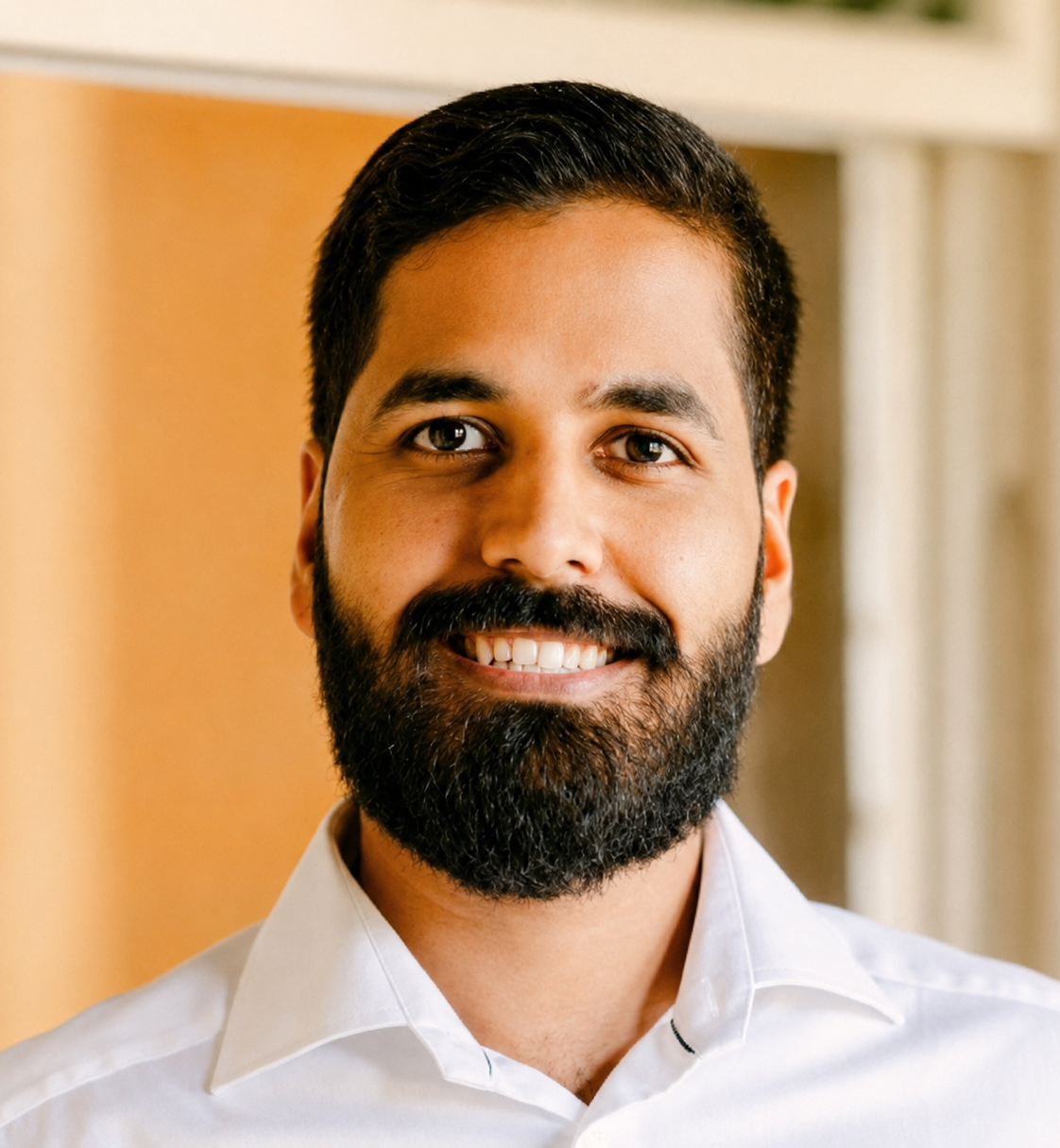
Dr. Amrit Rai
Cataract & refractive surgery

Dr. John Lloyd
Cataract & refractive surgery
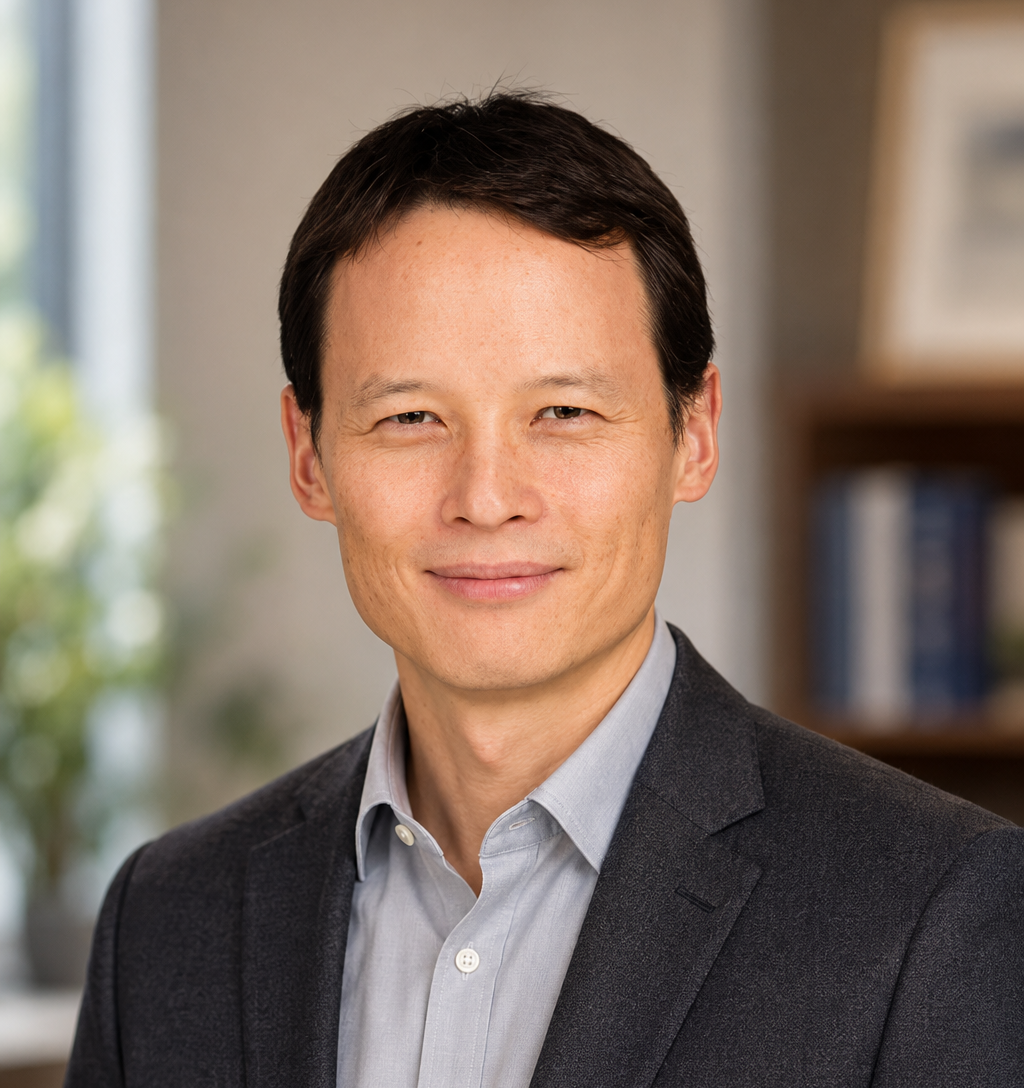
Dr. Michael Wan
Paediatric ophthalmology

Dr. John Gorfinkel
Cataract & refractive surgery
What we hold to.
Physically correct
The math is real. Every value a sandbox shows is computed from first principles, not approximated for effect.
Simplicity by hiding, not faking
Complexity is tucked away until you want it. We hide parameters — never the physics underneath them.
Vendor-neutral
No brand is favoured. Where a proprietary formula can't be reproduced faithfully, we say so and point to the official tool.
No levels, no paywalls
One flat library, open to everyone. A student and a surgeon land in exactly the same place.
Honest about limits
When a model breaks down or a value can't be computed, the sandbox tells you — rather than guessing.
Start with Thin Lenses.
Drag the object across the focal point and watch the image flip. It’s the fastest two minutes in optics.